2026 update: Reviewed and refreshed for current Albuquerque and New Mexico market conditions: stabilized interest rates, continued industrial tightness, Intel Rio Rancho expansion, and active 1031 and NNN deal flow.
Why Industrial Space Remains Albuquerque's Strongest CRE Sector
I've been brokering commercial real estate in Albuquerque since the late '90s. I've seen boom cycles, busts, and everything between. If you ask me what sector has demonstrated the most consistent, fundamentally sound performance over the past decade, it's industrial. Not close.
Let me explain why, based on deals I've closed, tenant conversations I've had, and market dynamics I've tracked across multiple cycles.
The E-Commerce Foundation Is Real
Everyone talks about e-commerce growth. But here's what I observe on the ground: Major national tenants are actively seeking Albuquerque warehouse space. I've represented both landlords and tenants in these deals. The demand is not speculative; it's driven by operational necessity.
Why Albuquerque? We sit at the intersection of I-25 and I-40. Within a day's drive, you can reach major population centers in Texas, Arizona, Colorado, and Southern California. For logistics operators, that geography is money.
More importantly, our operating costs remain significantly lower than Phoenix, Denver, or Texas metros. Lower land prices, lower construction costs, lower labor rates. These cost differentials matter when you're running distribution networks with thin margins.
What Tenants Are Telling Me
I stay in regular contact with industrial tenants and third-party logistics (3PL) operators. Here's what they're consistently saying:
- "We need more modern distribution space in Albuquerque, but there isn't much available."
- "We'd lease more square footage if we could find it with the right specs."
- "Albuquerque gives us cost savings versus our other Southwest locations."
That's not marketing copy; that's what decision-makers tell me when we discuss their real estate strategies.
Supply Constraints Create Opportunity
Unlike markets that overbuilt industrial during the last boom (I'm looking at you, certain Phoenix submarkets), Albuquerque has seen measured development. That discipline is paying dividends today.
Vacancy rates in quality industrial space have trended down. When a modern 100,000+ SF building with good specs hits the market, it gets leased quickly, often to multiple competing users. That's a landlord's market.
Meanwhile, older industrial buildings with low ceiling heights (16' or less), limited dock doors, and poor truck circulation sit vacant or struggle to command market rents. Functionality determines value in industrial real estate. I've seen buyers pay premiums for buildings with 30'+ clear heights and cross-dock configurations because they know tenant demand will follow.
The Submarket Breakdown
Not all industrial areas in Albuquerque perform equally. Let me be specific about what I'm seeing:
South Valley: The Proven Core
This is our established industrial corridor: I-25 access, rail infrastructure, and the highest concentration of logistics and distribution users. If you want liquidity and tenant depth, this is where to focus.
Properties here command the strongest rents and lowest vacancies. But supply is limited, which is why we've seen lease rates appreciate steadily over the past five years.
What I tell buyers: Expect to pay a premium, but you're buying into proven demand and strong fundamentals.
West Side: Emerging, But Requires Selectivity
The West Side offers available land and lower entry costs, which appeals to developers and users seeking build-to-suit opportunities. I've closed several transactions here for logistics and light industrial users.
But be careful. Not every West Side location has the same access quality. Evaluate specific parcels based on I-40 proximity, arterial road access, and distance from major employment centers. The difference between a good site and a mediocre one is meaningful.
Rio Rancho: Growing, But Competitive With Albuquerque
Rio Rancho is building out industrial space, particularly along the I-25 corridor. I've represented both buyers and tenants there. The fundamentals are improving, but you're competing directly with Albuquerque for tenants.
My perspective: Rio Rancho offers lower cost structures, but Albuquerque's South Valley still has better established infrastructure and deeper tenant demand.
Property Specifications That Matter
I've learned over 25 years that not all industrial buildings are created equal. Buyers and tenants obsess over specific features, and for good reason:
Critical Specs for Modern Industrial:
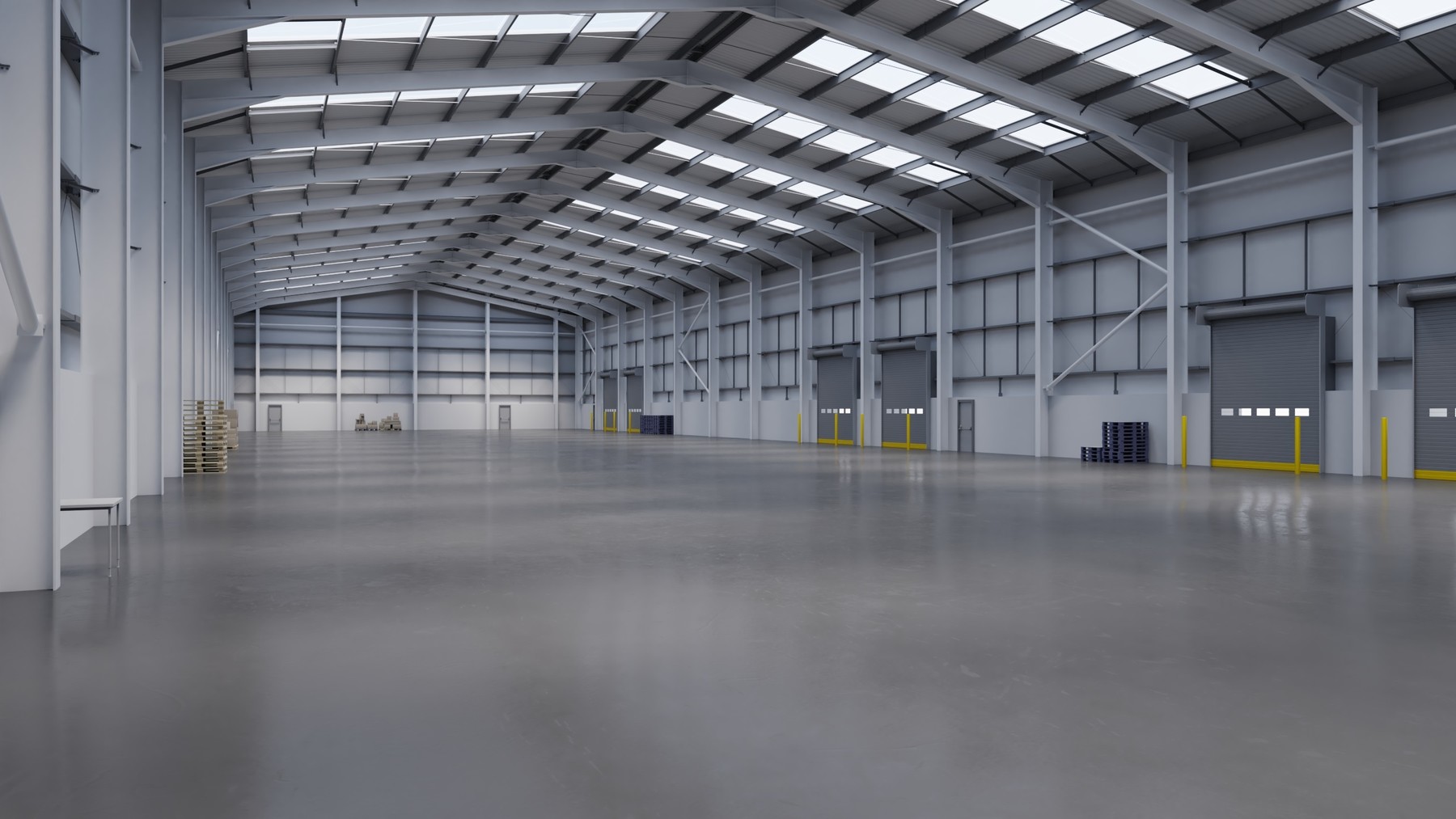
✅ Clear height: Minimum 24', preferably 30'+ for racking efficiency
✅ Dock doors: Adequate for operational needs (one per 10,000-15,000 SF is typical)
✅ Truck circulation: Drive-through capability, ample trailer parking, good turning radius
✅ Power: 480v three-phase for manufacturing and logistics operations
✅ Column spacing: 50' x 50' or better for flexible layout
✅ Loading: Grade-level doors for distribution flexibility
Buildings lacking these specs trade at significant discounts, and rightfully so. A 20-year-old building with 16' ceilings and two dock doors is not competitive for modern logistics users, regardless of price.
Cap Rate Perspective: Still Attractive
Albuquerque industrial cap rates remain compelling compared to larger Southwest metros. I've seen quality industrial properties trade in the 6.5%-8.5% range, depending on age, location, tenant credit, and lease term.
Compare that to Phoenix (often 5.5%-7.0%) or parts of Texas (similar compression), and you're getting 75-150 basis points of additional yield here. That spread matters for cash flow-focused investors.
Why the cap rate difference? Lower market liquidity, smaller buyer pool, and perceived secondary-market risk. But for investors who understand our fundamentals, that spread represents opportunity, not risk.
Tenant Credit Quality Has Improved
Twenty years ago, Albuquerque industrial was dominated by local users and smaller operators. That's shifted significantly.
Today, I'm working with national credit tenants, major e-commerce operators, and established 3PL providers. These are sophisticated users with strong balance sheets and long-term business plans.
That tenant quality upgrade drives two outcomes:
- Better financing terms (lenders like strong credit tenants)
- Improved exit liquidity (buyers compete for stabilized assets with quality tenants)
What Could Go Wrong? (Because Risks Exist)
I've been through enough cycles to know that no sector is bulletproof. Here's what I'm watching:
Functional Obsolescence Risk
Older buildings that don't meet modern specs will continue losing value relative to new construction. If you own aging industrial, plan for functional obsolescence, or consider disposition.
Lease Rollover Risk
Even strong markets have lease expirations. Understand your tenant's business, their renewal likelihood, and your re-leasing options. I've seen landlords surprised by tenant departures because they didn't track lease expirations or stay engaged with occupants.
Supply Risk in Select Submarkets
If speculative development accelerates too quickly (particularly on the West Side), we could see localized oversupply. Watch the development pipeline carefully.
National Economic Slowdown
Industrial demand is tied to goods movement. A significant economic contraction would impact tenant demand and lease rates. But Albuquerque's cost advantages provide relative cushion compared to higher-cost markets.
My Investment Guidance
For Buyers:
- Focus on modern buildings with institutional-quality specs
- Prioritize South Valley locations for liquidity and tenant depth
- Underwrite conservatively on older buildings: factor in deferred maintenance and functional limitations
- Evaluate 1031 exchange opportunities: industrial is popular replacement property
- Don't chase yield with marginal locations or poor building quality
For Sellers:
- Strong demand exists for quality assets: this is a favorable selling environment
- Clean up deferred maintenance before marketing
- Consider timing relative to your cost basis and tax situation
- Expect serious buyer interest if your property has solid specs and good location
For Tenants:
- Lease rates are rising in tight submarkets: secure long-term leases if you find the right space
- Consider build-to-suit options if your requirements are specialized
- Evaluate expansion space upfront: adding space later is difficult in tight markets
- Don't wait: quality space is leasing quickly
The Bottom Line
Industrial real estate in Albuquerque offers the strongest risk-adjusted returns in our market today. The fundamentals are sound: logistics-driven demand, limited supply, improving tenant credit, and attractive cap rates relative to gateway markets.
I'm not saying industrial is risk-free; no investment is. But based on 25+ years of deal-making here, I'm more confident in industrial fundamentals than any other property sector in Albuquerque right now.
If you're evaluating opportunities, understand the submarket differences, respect building specifications, and underwrite tenant credit carefully. Done right, industrial can deliver solid cash flow and long-term value appreciation.
Ready to explore industrial opportunities in Albuquerque?
I've closed industrial transactions across every submarket and cycle. Let's discuss your investment criteria and find properties that actually work.